july 17, 2026

Solo Female Travel in Morocco: What It's Actually Like

Let's be real — if you've spent any time scrolling through travel forums or Reddit threads about Morocco, you've probably come away feeling a little nervous. I know I did before my first trip. But here's what I wish someone had told me: Morocco welcomes hundreds of thousands of solo female travellers every year, and most of them leave with nothing worse than sore feet and a mild mint tea addiction.
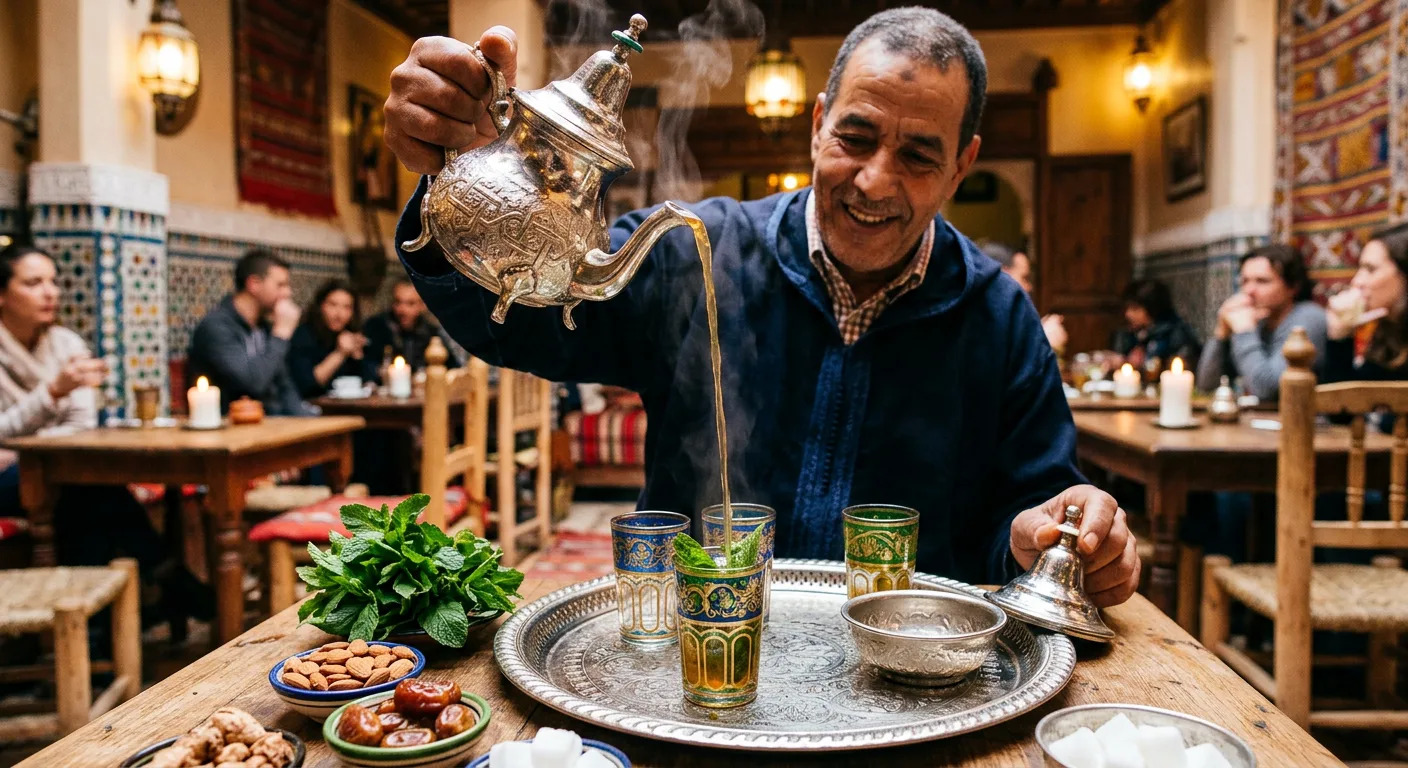
Moroccan mint tea service in a traditional riad

The online chatter makes it sound scarier than it really is. That doesn't mean you should wander in completely blind — but the challenges are predictable once you know what to expect. Street attention, a few classic scams, getting lost in the medina, and knowing which cities need a little extra caution — that's really the whole picture. And honestly? Once you've got the pattern down, Morocco is not just manageable — it's genuinely rewarding on your own.

What's the Real Risk?

Here's the thing: violent crime against tourists is rare. Really rare. What you're much more likely to run into is low-level hassle — comments as you walk by, persistent vendors who don't take "no" for an answer on the first try, and the occasional overly friendly guy who seems to have an agenda. Annoying? Yes. Scary? Usually not.

And let's be honest — this isn't unique to Morocco. Walk through any heavily touristed city in the world and you'll find some version of it. The difference is that in Morocco, it's more vocal and more visible, which can feel overwhelming, especially in your first day or two. It takes a minute to get used to, but you do.
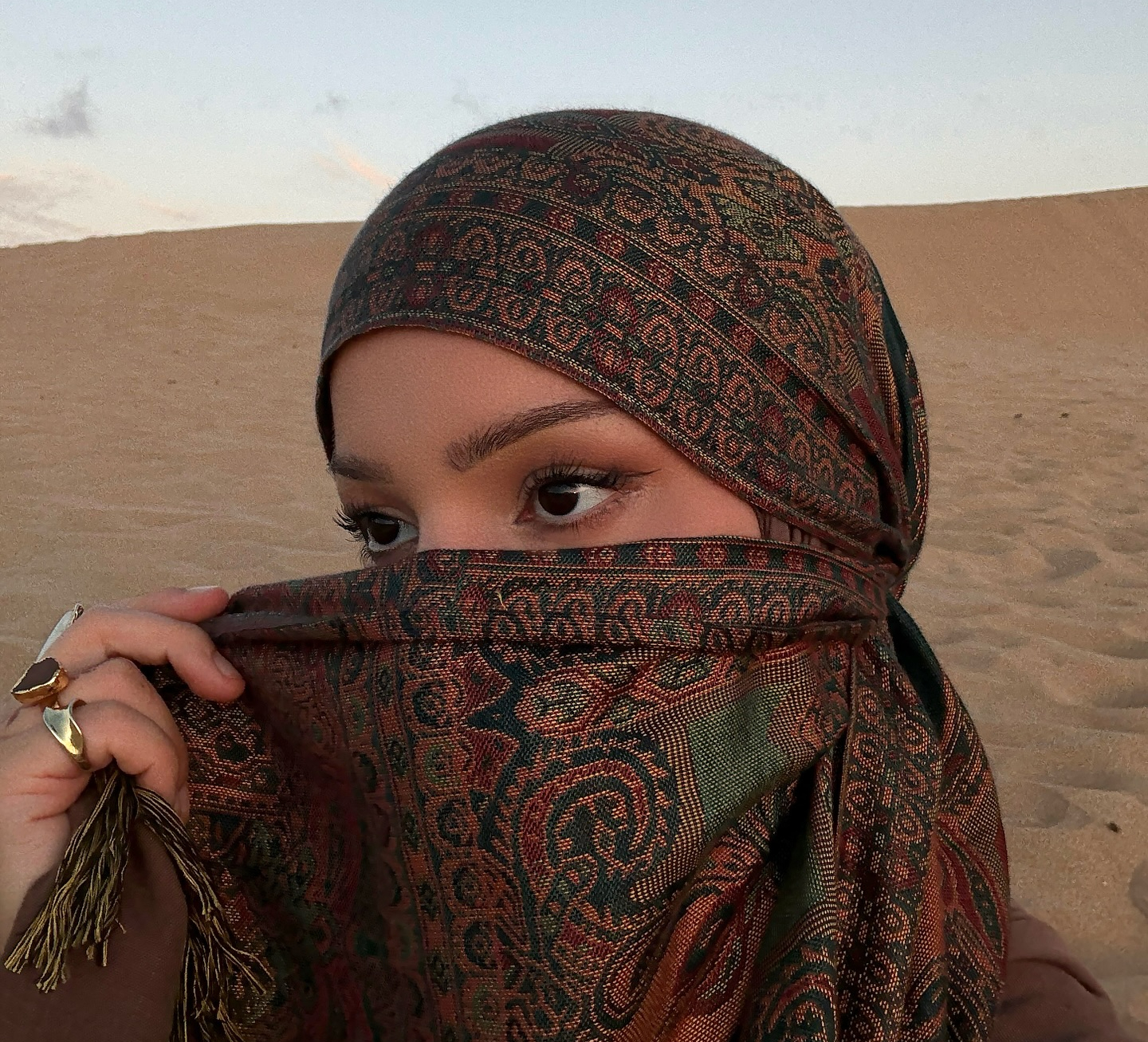
Essential gear for solo female travel: a lightweight scarf for sun protection, dust, and cultural modesty

Now, I do want to flag one exception: Casablanca. It's not the Morocco you see on postcards. It's big, it's industrial, and it doesn't have the same tourist infrastructure as Marrakech or Fez. There's a bit more opportunistic theft there — bag-snatching, phones grabbed from motorbikes, that kind of thing. If Casablanca is on your route, treat it like you would any busy, working city anywhere in the world: keep your wits about you, avoid empty streets after dark, and don't wave your phone or camera around carelessly.

Places like Marrakech, Fez, Chefchaouen, Essaouira, the Sahara camps, and the Atlas villages? They see solo female travellers constantly. Tourist police are present in the main medinas, and the infrastructure is well-established. They're honestly much easier to navigate than their old reputations suggest.

A Few Things That Actually Make a Difference Before You Go

  • Get a local SIM as soon as you land: Maroc Telecom, Orange, and Inwi all sell tourist SIMs right at the airport for just a few dollars. Grab one — the data will save you more times than you'd think. Offline maps, ride-hailing apps, and Google Translate become genuinely useful tools with a local connection. And coverage is surprisingly good, even outside the cities.
  • Make a photocopy of your passport and visa: Keep it somewhere separate from the original. A photo on your phone is fine as a backup, but if your phone dies or gets lost, you'll be glad you have paper.
  • Save emergency numbers before you need them:
    • 19 for Police
    • 15 for Medical emergencies
    • 177 for Auxiliary forces in rural areas

Getting Around Without the Stress

Trains are your friend. ONCF, the national rail operator, runs comfortable, affordable trains between Casablanca, Rabat, Fez, Marrakech, and Tangier. First class gets you a quieter, reserved compartment — a lot of solo women I've met swear by it. Honestly, it's one of the least stressful ways to move between cities.
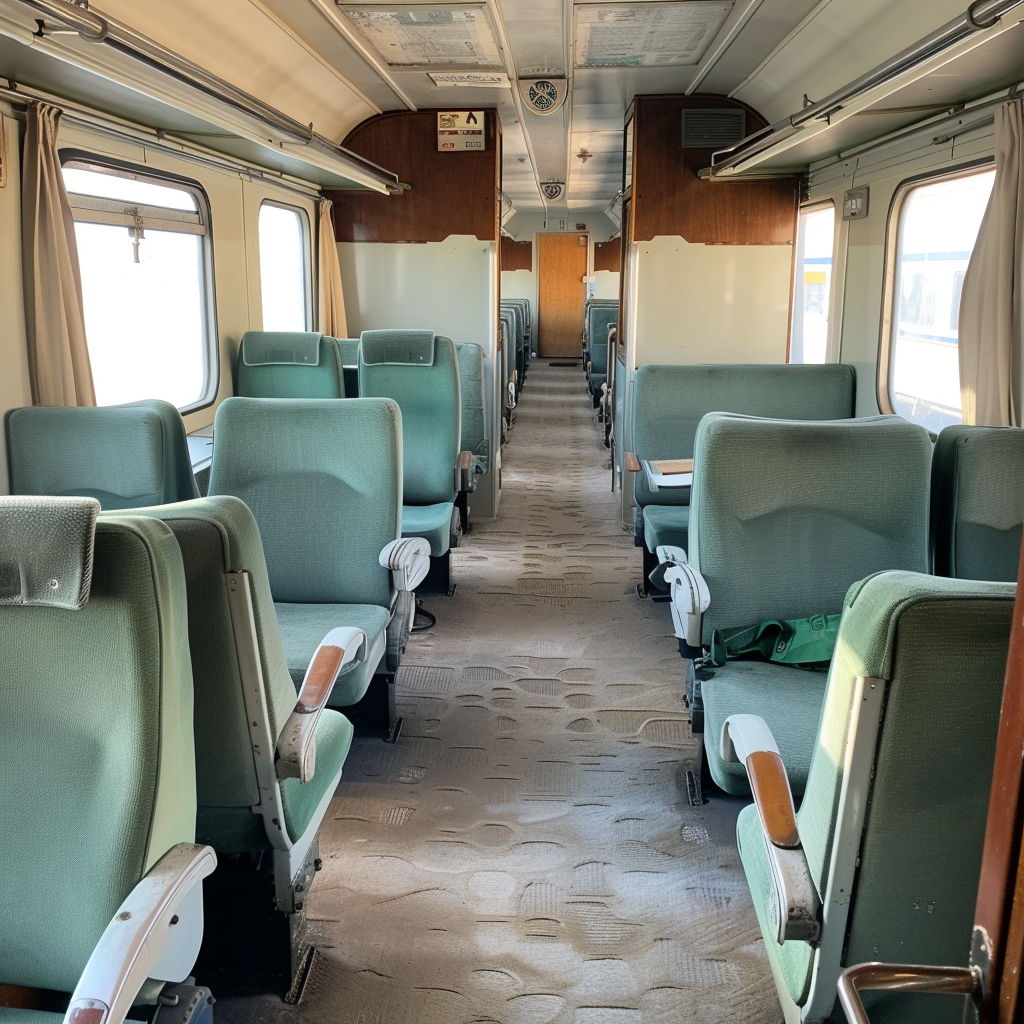
ONCF passenger train carriage. Source: Morocco Trains

  • Buses for smaller towns: CTM and Supratours work well for places without train service. They have allocated seating and proper luggage handling.
  • Ride-hailing apps: Careem and inDrive operate in Casablanca, Rabat, and Marrakech. They're way more predictable than flagging a taxi off the street — especially at night. If apps aren't available, ask your riad or hotel to call a taxi for you.
  • Petit & Grand Taxis: Shared rides, fixed routes, and seats that rarely put you right up against a stranger. Moroccan women use them constantly without a second thought.

Navigating Medinas: It's Not About the Map

Let me be honest about the medinas — Fez in particular. These places were built centuries before anyone thought about street signs, and they will disorient you. Even experienced travellers get turned around.
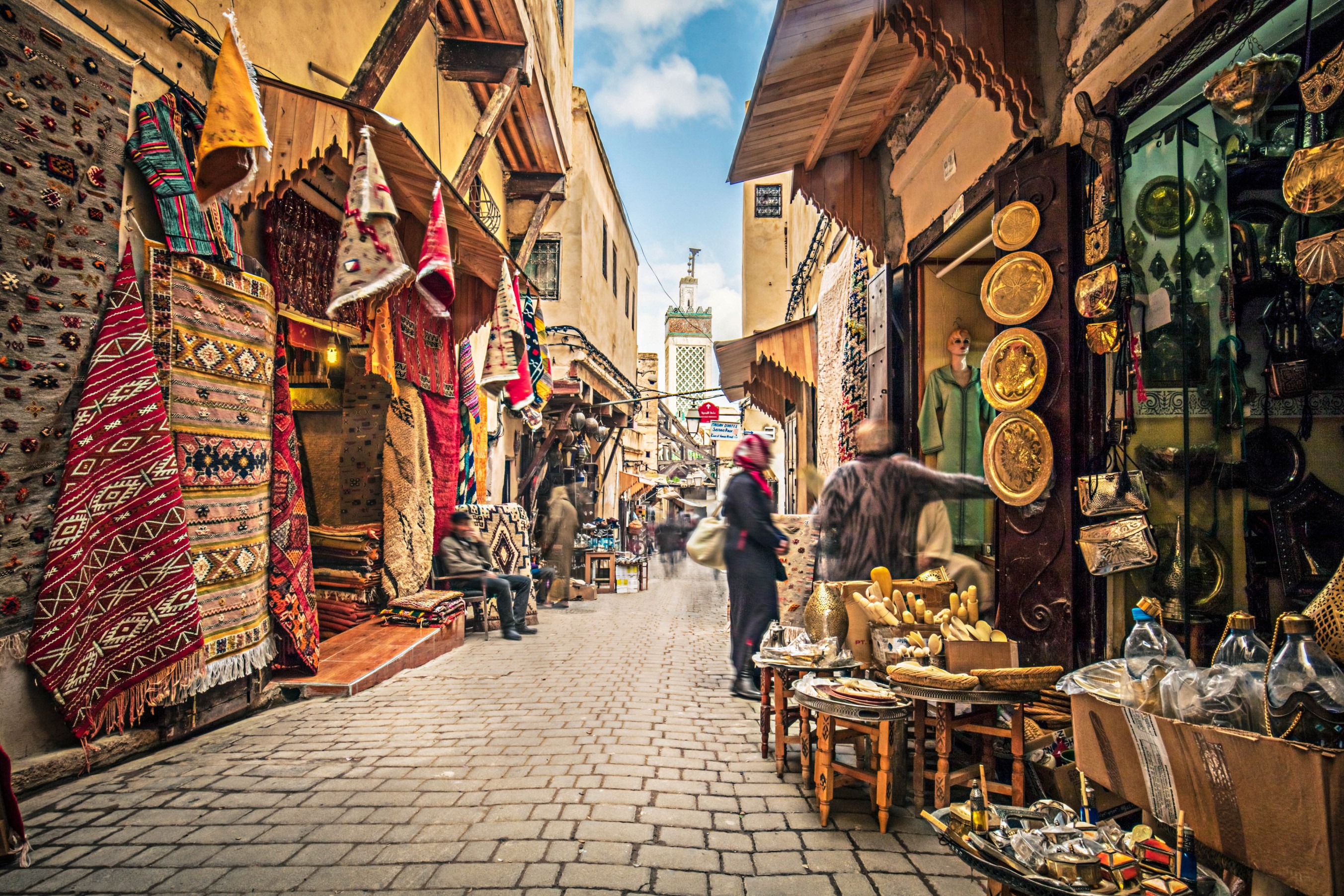
The maze-like alleys of Fez Medina. Source: Shems Travel & Events

A few habits that help:

  1. Pick a landmark before you set out: A specific gate, a tall minaret, or a distinctive shopfront. GPS inside those narrow, covered streets is often useless.
  2. Walk like you know where you're going: Looking lost tends to attract unsolicited "help" from people who will expect a tip.
  3. Duck into a shop if you're stuck: Ask a business owner for directions rather than accepting help from someone who approaches you on the street.
  4. Hire a licensed guide in Fez: In Fez specifically, a licensed guide for your first day is genuinely worth it to help you get your bearings.

Dealing with Street Attention

Okay, let's talk about the comments, the whistling, and the endless "hello, my friend" calls from vendors. It's a near-constant backdrop in busy tourist areas, and it's aimed at getting a reaction.

The Best Response: Keep walking and don't acknowledge it. Stopping to argue or explain almost always prolongs the interaction.

If someone actually invades your personal space physically, that's a different line. Don't hesitate to respond loudly and visibly. Moroccans will generally step in quickly when they see that line crossed, and tourist police stationed at medina entrances are there specifically to handle this.

What to Wear, and Why It's Not Just About Culture

I'm going to be direct about this because it matters: if you want to avoid harassment, unwanted attention, or constant staring, dressing modestly isn't a suggestion — it's a practical necessity. In medinas, markets, and smaller towns especially, your clothing directly affects how people treat you.

Modest, breathable clothing helps you blend in easily. Source: Moroccan Travel Trips

To move through Morocco with peace of mind:

  • Cover your arms, chest, and legs.
  • Opt for loose trousers, long dresses or skirts, and tops with sleeves that reach your wrists. High necklines are safer than low ones.
  • Carry a long, lightweight scarf everywhere: It's great for sun protection, dust, and quickly covering your head or shoulders if you enter a conservative area or the Hassan II Mosque.

Money, Scams, and Everyday Nuisances

  • Always carry small bills and change: Vendors and taxi drivers will frequently claim they don't have change for larger notes. Break your big notes at a bank or supermarket.
  • Agree on taxi fares upfront: Or insist on the meter (petit taxis are legally required to use them). If a driver says it's broken, simply find another one.
  • Be wary of unsolicited "gifts": Someone might press a sprig of mint or a small trinket into your hand before mentioning a price. Politely hand it back immediately.
  • Awareness around romance scams: A charming local pursuing a fast relationship with a solo traveller for a European or North American visa is a known pattern. Going in aware is just being smart.

Small Cultural Gestures That Help

Morocco is a Muslim-majority country, and small courtesies go a long way:

  • Ramadan etiquette: Avoid eating, drinking, or smoking in public during daylight hours out of respect.
  • Visit a Hammam: A female-only session at a traditional public bathhouse is one of the safest, most relaxing social spaces you can experience as a solo traveller.
  • Riad dining: Dining alone is totally normal. Riads are exceptionally well set up for solo guests, often featuring communal rooftop terraces where you can swap stories with other travellers.
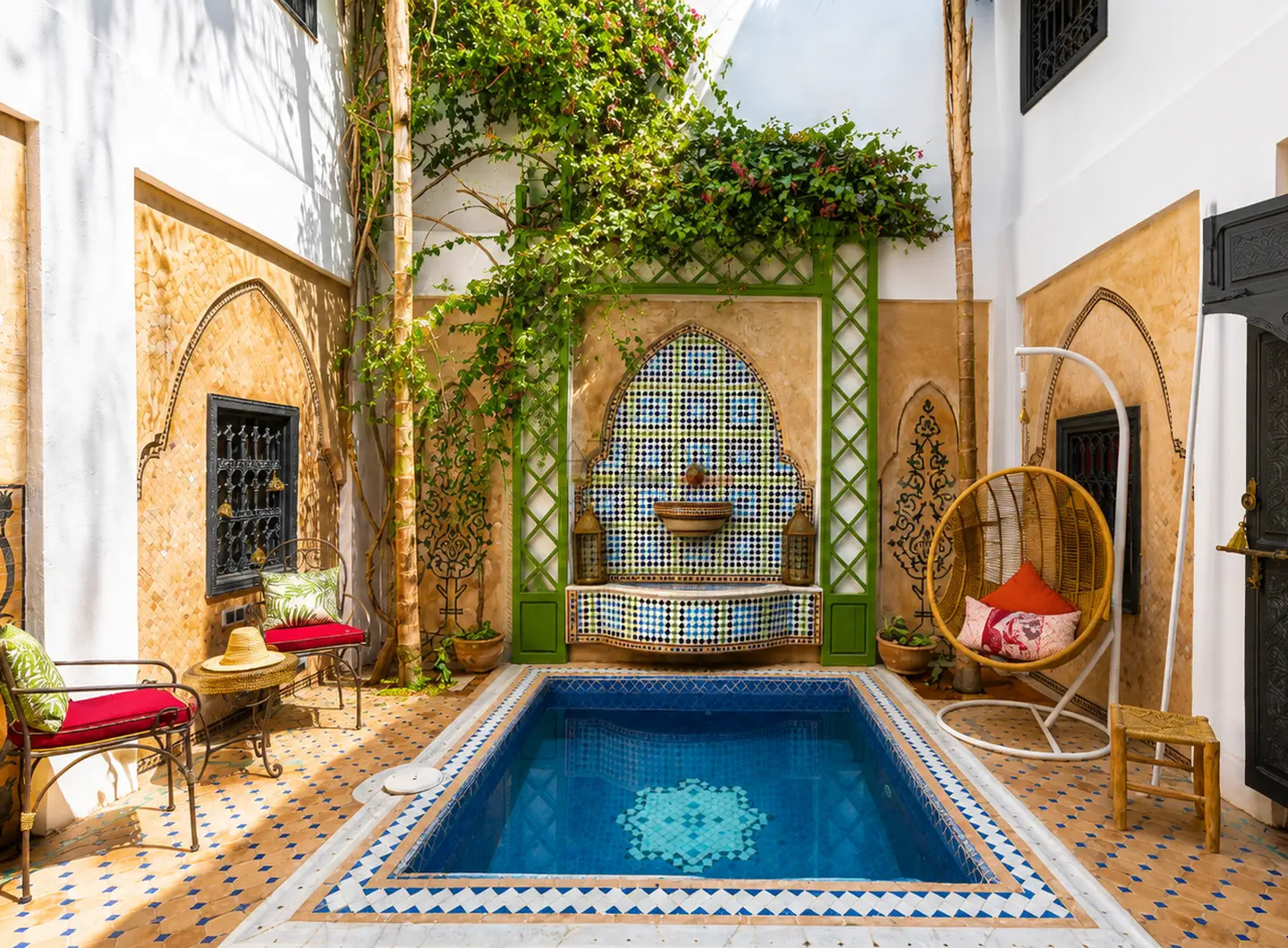
Relaxing on a riad courtyard terrace. Source: Riad Orange

Frequently Asked Questions

Is Morocco safe for a woman travelling completely alone?

Yes, absolutely — for the vast majority of visitors. The main risks are petty theft and persistent attention, not violence, and both are manageable with ordinary precautions.

Which city has the highest risk for solo women?

Casablanca, mainly due to opportunistic petty theft and less tourist-oriented infrastructure compared with Marrakech or Fez.

Do I need a guide?

Not generally, except for Fez's Old Medina, where the layout is disorienting enough that a guide is genuinely helpful on day one.

Is it safe to take taxis alone?

Yes — metered petit taxis, ride-hailing apps, and shared grand taxis are used daily by local women travelling alone.

What should I wear?

Loose clothing that covers shoulders and knees works best in cities and rural areas; swimwear is completely fine at pools and private beaches.

The Bottom Line

Morocco rewards ordinary street sense more than extraordinary caution. Register your trip, keep a photocopy of your documents, use trains and ride-hailing where you can, dress with the climate and culture in mind, and treat street attention as background noise rather than a threat. Do that, and you'll find that Morocco isn't an obstacle course — it's one of North Africa's most rewarding solo destinations.
Let's be real — if you've spent any time scrolling through travel forums or Reddit threads about Morocco, you've probably come away feeling a little nervous. I know I did before my first trip. But here's what I wish someone had told me: Morocco welcomes hundreds of thousands of solo female travellers every year, and most of them leave with nothing worse than sore feet and a mild mint tea addiction.

Moroccan mint tea service in a traditional riad

The online chatter makes it sound scarier than it really is. That doesn't mean you should wander in completely blind — but the challenges are predictable once you know what to expect. Street attention, a few classic scams, getting lost in the medina, and knowing which cities need a little extra caution — that's really the whole picture. And honestly? Once you've got the pattern down, Morocco is not just manageable — it's genuinely rewarding on your own.

What's the Real Risk?

Here's the thing: violent crime against tourists is rare. Really rare. What you're much more likely to run into is low-level hassle — comments as you walk by, persistent vendors who don't take "no" for an answer on the first try, and the occasional overly friendly guy who seems to have an agenda. Annoying? Yes. Scary? Usually not.

And let's be honest — this isn't unique to Morocco. Walk through any heavily touristed city in the world and you'll find some version of it. The difference is that in Morocco, it's more vocal and more visible, which can feel overwhelming, especially in your first day or two. It takes a minute to get used to, but you do.

Essential gear for solo female travel: a lightweight scarf for sun protection, dust, and cultural modesty

Now, I do want to flag one exception: Casablanca. It's not the Morocco you see on postcards. It's big, it's industrial, and it doesn't have the same tourist infrastructure as Marrakech or Fez. There's a bit more opportunistic theft there — bag-snatching, phones grabbed from motorbikes, that kind of thing. If Casablanca is on your route, treat it like you would any busy, working city anywhere in the world: keep your wits about you, avoid empty streets after dark, and don't wave your phone or camera around carelessly.

Places like Marrakech, Fez, Chefchaouen, Essaouira, the Sahara camps, and the Atlas villages? They see solo female travellers constantly. Tourist police are present in the main medinas, and the infrastructure is well-established. They're honestly much easier to navigate than their old reputations suggest.

A Few Things That Actually Make a Difference Before You Go

  • Get a local SIM as soon as you land: Maroc Telecom, Orange, and Inwi all sell tourist SIMs right at the airport for just a few dollars. Grab one — the data will save you more times than you'd think. Offline maps, ride-hailing apps, and Google Translate become genuinely useful tools with a local connection. And coverage is surprisingly good, even outside the cities.
  • Make a photocopy of your passport and visa: Keep it somewhere separate from the original. A photo on your phone is fine as a backup, but if your phone dies or gets lost, you'll be glad you have paper.
  • Save emergency numbers before you need them:
    • 19 for Police
    • 15 for Medical emergencies
    • 177 for Auxiliary forces in rural areas

Getting Around Without the Stress

Trains are your friend. ONCF, the national rail operator, runs comfortable, affordable trains between Casablanca, Rabat, Fez, Marrakech, and Tangier. First class gets you a quieter, reserved compartment — a lot of solo women I've met swear by it. Honestly, it's one of the least stressful ways to move between cities.

ONCF passenger train carriage. Source: Morocco Trains

  • Buses for smaller towns: CTM and Supratours work well for places without train service. They have allocated seating and proper luggage handling.
  • Ride-hailing apps: Careem and inDrive operate in Casablanca, Rabat, and Marrakech. They're way more predictable than flagging a taxi off the street — especially at night. If apps aren't available, ask your riad or hotel to call a taxi for you.
  • Petit & Grand Taxis: Shared rides, fixed routes, and seats that rarely put you right up against a stranger. Moroccan women use them constantly without a second thought.

Navigating Medinas: It's Not About the Map

Let me be honest about the medinas — Fez in particular. These places were built centuries before anyone thought about street signs, and they will disorient you. Even experienced travellers get turned around.

The maze-like alleys of Fez Medina. Source: Shems Travel & Events

A few habits that help:

  1. Pick a landmark before you set out: A specific gate, a tall minaret, or a distinctive shopfront. GPS inside those narrow, covered streets is often useless.
  2. Walk like you know where you're going: Looking lost tends to attract unsolicited "help" from people who will expect a tip.
  3. Duck into a shop if you're stuck: Ask a business owner for directions rather than accepting help from someone who approaches you on the street.
  4. Hire a licensed guide in Fez: In Fez specifically, a licensed guide for your first day is genuinely worth it to help you get your bearings.

Dealing with Street Attention

Okay, let's talk about the comments, the whistling, and the endless "hello, my friend" calls from vendors. It's a near-constant backdrop in busy tourist areas, and it's aimed at getting a reaction.

The Best Response: Keep walking and don't acknowledge it. Stopping to argue or explain almost always prolongs the interaction.

If someone actually invades your personal space physically, that's a different line. Don't hesitate to respond loudly and visibly. Moroccans will generally step in quickly when they see that line crossed, and tourist police stationed at medina entrances are there specifically to handle this.

What to Wear, and Why It's Not Just About Culture

I'm going to be direct about this because it matters: if you want to avoid harassment, unwanted attention, or constant staring, dressing modestly isn't a suggestion — it's a practical necessity. In medinas, markets, and smaller towns especially, your clothing directly affects how people treat you.

Modest, breathable clothing helps you blend in easily. Source: Moroccan Travel Trips

To move through Morocco with peace of mind:

  • Cover your arms, chest, and legs.
  • Opt for loose trousers, long dresses or skirts, and tops with sleeves that reach your wrists. High necklines are safer than low ones.
  • Carry a long, lightweight scarf everywhere: It's great for sun protection, dust, and quickly covering your head or shoulders if you enter a conservative area or the Hassan II Mosque.

Money, Scams, and Everyday Nuisances

  • Always carry small bills and change: Vendors and taxi drivers will frequently claim they don't have change for larger notes. Break your big notes at a bank or supermarket.
  • Agree on taxi fares upfront: Or insist on the meter (petit taxis are legally required to use them). If a driver says it's broken, simply find another one.
  • Be wary of unsolicited "gifts": Someone might press a sprig of mint or a small trinket into your hand before mentioning a price. Politely hand it back immediately.
  • Awareness around romance scams: A charming local pursuing a fast relationship with a solo traveller for a European or North American visa is a known pattern. Going in aware is just being smart.

Small Cultural Gestures That Help

Morocco is a Muslim-majority country, and small courtesies go a long way:

  • Ramadan etiquette: Avoid eating, drinking, or smoking in public during daylight hours out of respect.
  • Visit a Hammam: A female-only session at a traditional public bathhouse is one of the safest, most relaxing social spaces you can experience as a solo traveller.
  • Riad dining: Dining alone is totally normal. Riads are exceptionally well set up for solo guests, often featuring communal rooftop terraces where you can swap stories with other travellers.
Relaxing on a riad courtyard terrace. Source: Riad Orange

Frequently Asked Questions

Is Morocco safe for a woman travelling completely alone?

Yes, absolutely — for the vast majority of visitors. The main risks are petty theft and persistent attention, not violence, and both are manageable with ordinary precautions.

Which city has the highest risk for solo women?

Casablanca, mainly due to opportunistic petty theft and less tourist-oriented infrastructure compared with Marrakech or Fez.

Do I need a guide?

Not generally, except for Fez's Old Medina, where the layout is disorienting enough that a guide is genuinely helpful on day one.

Is it safe to take taxis alone?

Yes — metered petit taxis, ride-hailing apps, and shared grand taxis are used daily by local women travelling alone.

What should I wear?

Loose clothing that covers shoulders and knees works best in cities and rural areas; swimwear is completely fine at pools and private beaches.

The Bottom Line

Morocco rewards ordinary street sense more than extraordinary caution. Register your trip, keep a photocopy of your documents, use trains and ride-hailing where you can, dress with the climate and culture in mind, and treat street attention as background noise rather than a threat. Do that, and you'll find that Morocco isn't an obstacle course — it's one of North Africa's most rewarding solo destinations.

Tangerrentals pledge

Get unparalleled peace of mind from start to finish of your trip to Morocco